What's happening right now
Sleep and milestones move together in the first years. Pick your baby's age and we'll show what tends to change around now — calmly, with sources.
0–3 months, at a glance
Sleep comes in pieces — the WHO puts the range at 14 to 17 hours a day, but often only one or two hours at a time. About half of it is active sleep: twitching, grunting, uneven breathing, all normal. Night and day are learned, not born in, and they start to settle by the end of the first month. The social smile usually arrives by two months.
Drawn from AAP, CDC, NHS, and WHO guidance.
4–6 months, at a glance
Sleep reorganizes — regular cycles arrive around four months, which is why nights can get busier just as they seemed to settle. The recommended range becomes 12 to 16 hours a day. Many babies this age roll, laugh out loud, and reach for what they want. Both changes are normal, and both can show up at 2am.
Drawn from AAP, CDC, NHS, and WHO guidance.
7–12 months, at a glance
Nights often stretch longer, and for some babies night feeds are no longer needed — though not for every baby, and not on a schedule. Separation anxiety usually shows up around nine months and is a sign of attachment, not a setback. Sitting, crawling, pulling up, the wave and the first word tend to land before the first birthday.
Drawn from AAP, CDC, NHS, and WHO guidance.
1–2 years, at a glance
The recommended range settles at 11 to 14 hours a day, including naps, with regular sleep and wake times. Bedtime is often the hardest part of the day at this age — the guidance is a quiet routine and the same bedtime each night, not a battle of wills.
Drawn from AAP, CDC, NHS, and WHO guidance.
 Sleep
SleepDaylight saving time and your baby's sleep — how to fall back without the crash
On November 1 the clocks go back an hour, and the AAP is honest about what that does to small children. The week-before plan, in a few minutes a day, and the one thing not to chase.
 Sleep
SleepThe bedtime routine — and why toddlers fight it
The AAP names the problem before it offers the fix — bedtime is often the hardest part of the day. What the routine is actually made of, and what the sources refuse to prescribe.
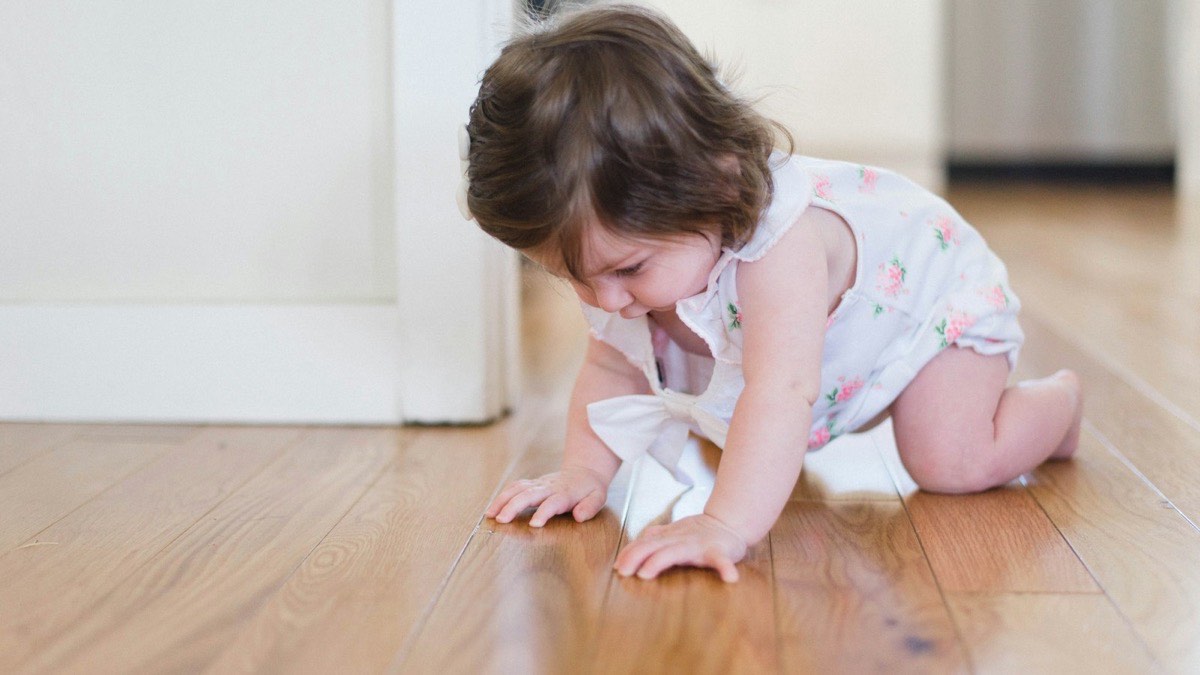 Milestones
Separation anxiety around nine months — why the clinging is good news
The AAP calls it a beautiful sign of a meaningful attachment. What changes around nine months, what helps at goodbye, and what the sources will and won't say about nights.
 Milestones
The first year, milestone by milestone — what to look forward to
A calm walk through the CDC's milestones from two months to one year — the smile, the coo, the roll, the wave — and one small thing you can do at each stage.
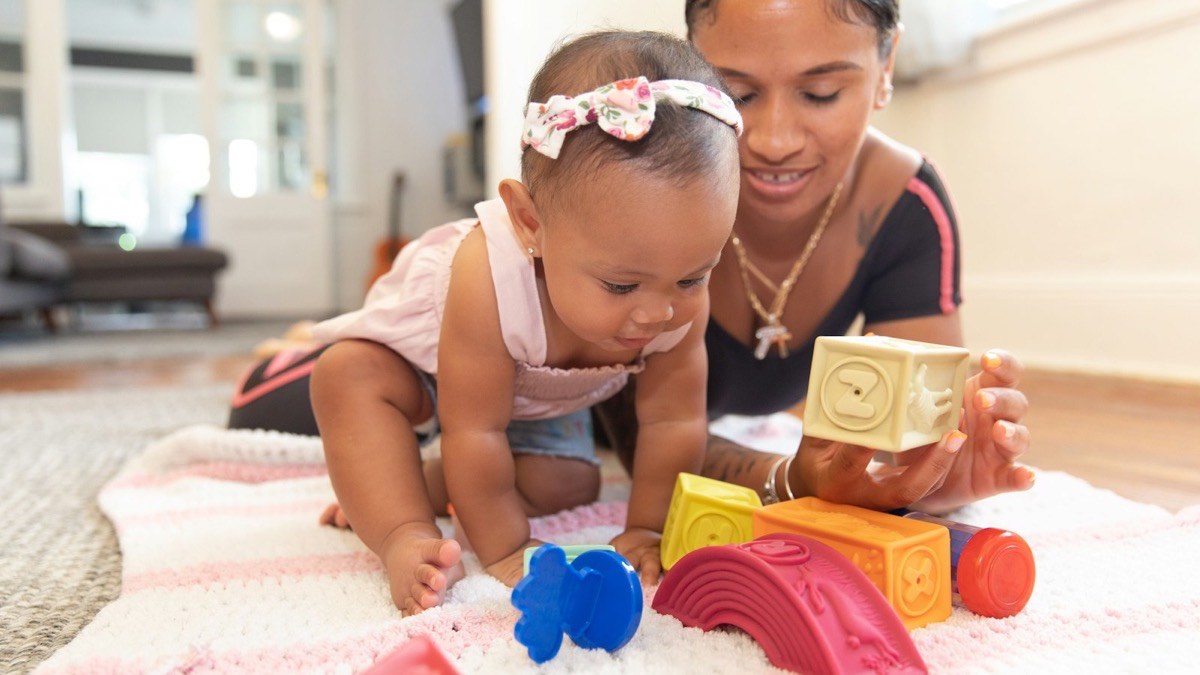 Milestones
Milestones aren't a test — how the CDC actually means them
What "most children by this age" really means, why the checklists were rewritten in 2022, and the one thing the CDC asks parents to do if something feels off.
 Sleep
SleepThe 4-month sleep regression, explained calmly
What's actually changing at four months — and why the AAP would call it new equipment, not a malfunction.
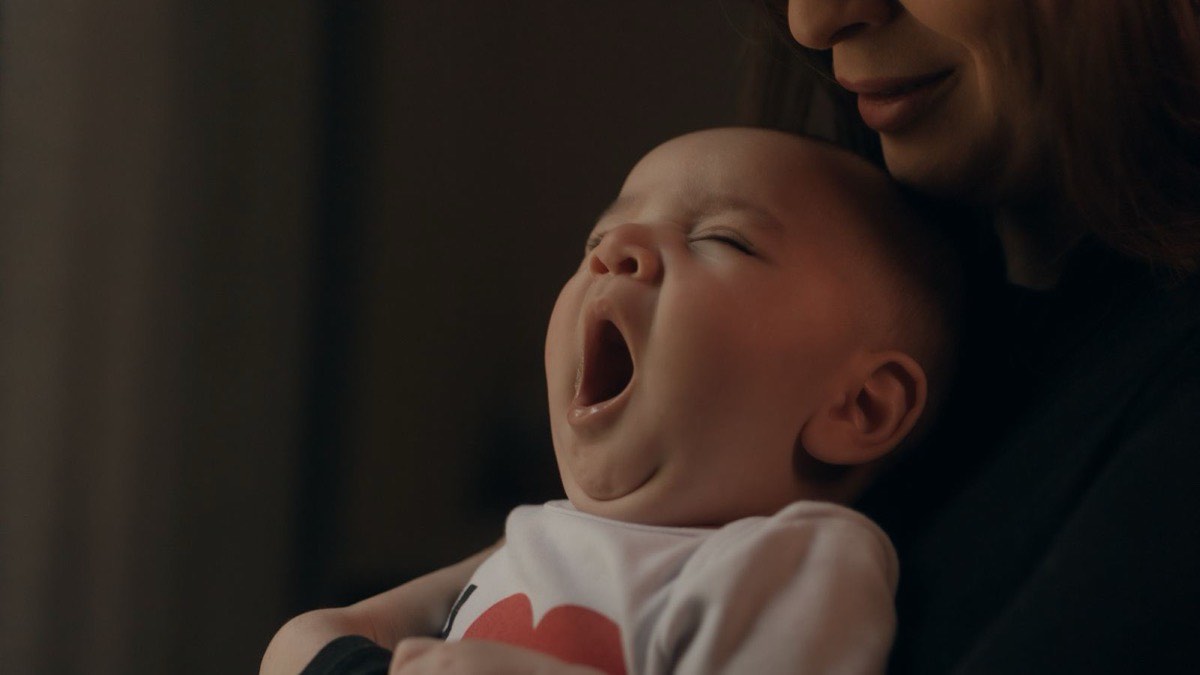 Sleep
SleepHow much sleep does a baby actually need?
The honest ranges from the WHO, the AASM, and the AAP — and why the experts refuse to give a number for the first four months.
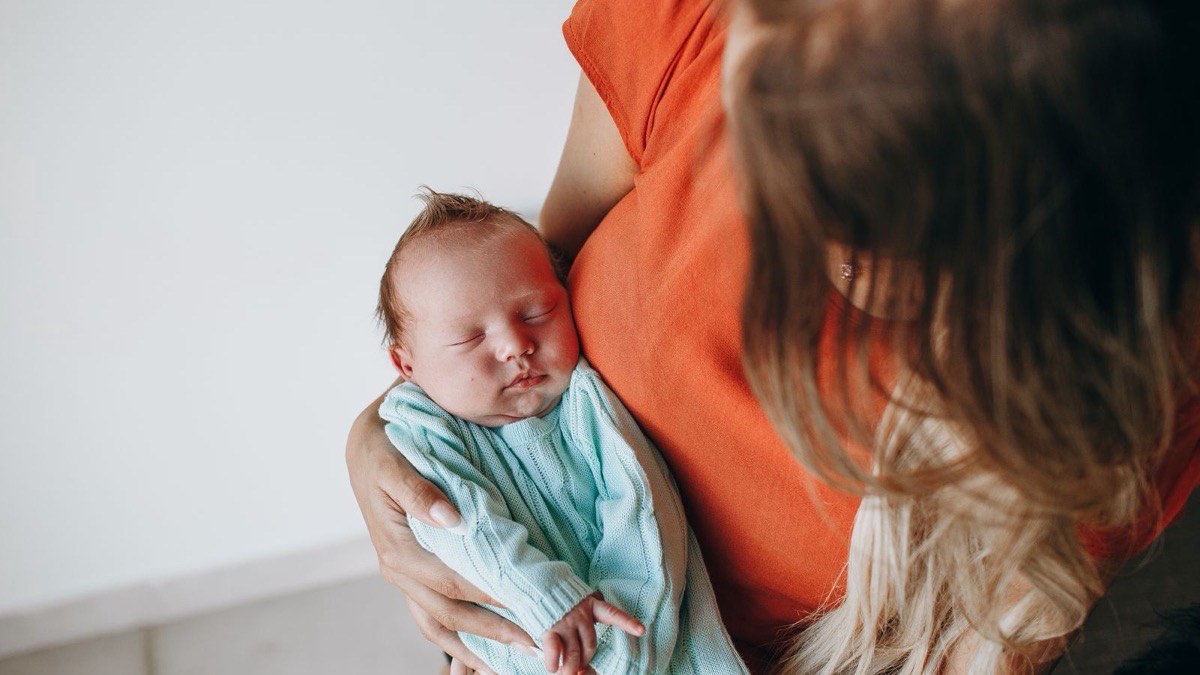 Sleep
SleepNewborn sleep — the twitching, the grunting, and the days-and-nights mix-up
Half of newborn sleep looks like almost-waking. What the AAP and NHS say is normal in the first weeks, and how to teach the difference between day and night.
Nothing for that age yet — more articles are on the way.